
ADHD in Women: Symptoms, Signs, and Why It Is Often Missed
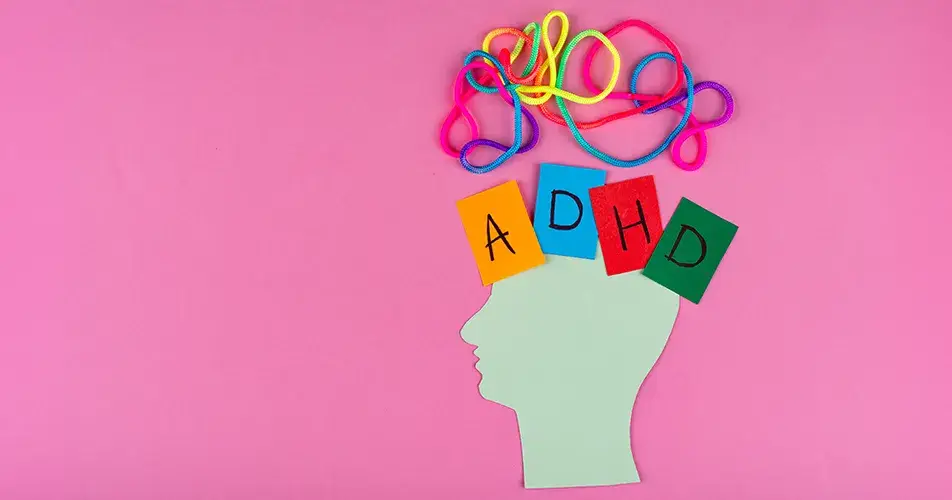
ADHD in women symptoms often look different from the picture most people have in mind. Instead of a child who cannot sit still, many women describe a mind that feels crowded, a to do list that never gets shorter, and a constant effort to hold everything together while feeling behind. Because these signs can be quiet and easy to mistake for anxiety, stress, or personality, many women are diagnosed late in life, if at all.

For adults and families across Sioux Falls, Fargo, Yankton, and the surrounding Dakotas communities, this guide explains the most common symptoms of attention deficit hyperactivity disorder in women, why they are so often overlooked, how hormones and life stages may play a role, and how evaluation and treatment work. It also explains when it may be time to speak with a mental health professional. Ready to talk with someone? You can start with our secure patient portal.
- ADHD is a neurodevelopmental condition, and in women it more often shows up as inattention and internal restlessness than as obvious hyperactivity.
- Research suggests that ADHD is underrecognized in girls and women, partly because early studies focused on boys and partly because many women learn to hide or compensate for symptoms.
- Common signs include trouble with focus and organization, time management struggles, emotional overwhelm, and a sense of working much harder than others to keep up.
- Symptoms can shift with hormonal changes such as puberty, the menstrual cycle, the postpartum period, and perimenopause, though research on this is still developing.
- Only a qualified clinician can diagnose ADHD, and effective support is available at any age.
What Is ADHD in Women?
ADHD is a neurodevelopmental condition that affects attention, activity levels, and impulse control, and it usually begins in childhood. In women, it often appears as difficulty sustaining attention, staying organized, and managing time, along with internal restlessness. Hyperactive or impulsive symptoms can be present too, but they are often less visible than in boys and men.
Clinicians describe three presentations. The inattentive presentation involves mostly problems with focus, organization, and follow through. The hyperactive and impulsive presentation involves mostly restlessness and acting without pausing. The combined presentation involves both. Girls and women are more often described as having the inattentive or combined presentation.
To meet criteria for ADHD, a person must have several symptoms that began before age 12, appear in more than one setting such as home and work, and clearly interfere with functioning. Adults need at least five symptoms in the inattentive or hyperactive and impulsive category. Only a qualified clinician can determine whether these criteria are met.
Why Is ADHD Underdiagnosed in Women?
Researchers point to several overlapping reasons. Early ADHD research was based largely on boys, and diagnostic descriptions grew from that picture. Boys are also more likely to show disruptive, easily noticed behavior, which draws attention from teachers and parents. Research reviews report that childhood ADHD is identified about two and a half times more often in boys than in girls, a gap that many experts believe reflects underrecognition in girls and not a true difference.
Other factors add to the gap. Many women learn early to hide difficulties and compensate by working harder, a pattern often called masking or camouflaging. Symptoms are also frequently attributed to anxiety, depression, or hormones, so the underlying ADHD goes unexamined. Social expectations for women to be organized, attentive, and caring can increase pressure and shame. As a result, many women receive a first diagnosis in adulthood, sometimes after a child is diagnosed or after a life change makes their coping strategies stop working.
Common ADHD in Women Symptoms
Every woman experiences ADHD differently, and no single list fits everyone. The symptoms below are commonly described in research and clinical practice. Having some of them does not mean a person has ADHD, since many can occur with stress, poor sleep, or other conditions.
Inattention Symptoms
Inattention in women often looks like a busy mind that struggles to stay on one track rather than simple daydreaming.
- Difficulty sustaining focus on tasks, conversations, or reading
- Losing track of what someone said mid conversation
- Frequently misplacing keys, phones, wallets, or documents
- Making careless mistakes or overlooking details
- Starting many projects and finishing few
- Trouble following through on instructions
- Avoiding tasks that need sustained mental effort
- Feeling easily distracted by sounds, thoughts, or notifications
Hyperactivity, Often Felt on the Inside
In adult women, hyperactivity tends to be less about running and climbing and more about an inner sense of being driven by a motor.
- Internal restlessness or an inability to relax
- Fidgeting, leg bouncing, or picking at skin or nails
- Talking a lot or feeling the urge to fill silences
- Needing to be busy or moving to feel comfortable
- Racing thoughts, especially at night
Impulsivity
Impulsivity can show up in quiet, everyday ways.
- Interrupting or finishing other people's sentences
- Blurting out comments and regretting them later
- Impulsive spending or purchases
- Making quick decisions without weighing consequences
- Difficulty waiting or tolerating boredom
- Stress related or impulsive eating in some people
Executive Function and Time Management Difficulties
Executive functions are the mental skills used to plan, organize, start tasks, and manage time. Many women describe these as the most disabling part of ADHD, even though they are not listed in the formal criteria.
- Trouble getting started on tasks, even important ones
- Misjudging how long tasks will take, sometimes called time blindness
- Difficulty prioritizing and feeling overwhelmed by choices
- Chronic lateness or last minute rushing
- Piles of clutter, unfinished chores, or an unpredictable household routine
- A pattern of intense focus on interesting tasks and struggle with boring ones
Emotional Symptoms
Clinicians increasingly recognize that emotional intensity is a common part of ADHD experience, even though it is not included in the diagnostic criteria. Many women describe feeling emotions strongly and quickly, becoming easily frustrated or overwhelmed, and feeling deeply hurt by criticism or perceived rejection. Chronic self doubt, shame, and lowered self esteem are also frequently reported, often after years of feeling that they should be able to manage better.
Sleep and Energy
Trouble winding down, a racing mind at bedtime, and irregular sleep are common. Poor sleep can make attention and mood worse, creating a cycle that is hard to break.
Masking: Why ADHD in Women Can Be Hard to See
Masking means hiding or compensating for symptoms to meet expectations. A woman may keep exhaustive lists, overprepare for meetings, work late to catch up, avoid social situations where she might slip, or become highly organized in public while her home or private life feels chaotic. This effort can help her succeed on the surface, but it often comes at a high cost.
Over time, masking can lead to exhaustion, burnout, anxiety, and a feeling of being an imposter. Because the struggle is often invisible to others, women may hear that they simply need to try harder, which can deepen shame. Recognizing masking is one reason a thorough evaluation with a clinician who understands ADHD in women is valuable.
ADHD Symptoms Across a Woman's Life
ADHD often continues into adulthood, and the way it shows up can change with age, responsibilities, and hormones.
Girls and Teens
Girls with ADHD are more likely to be described as dreamy, quiet, disorganized, or overly talkative. They may struggle with schoolwork as demands increase, often working very hard to keep up. Social difficulties, anxiety, and low self esteem are common. Teens may be misunderstood as unmotivated or moody.
Young Adulthood
Leaving home, starting college, or entering work removes the structure of school and family. Many women find that strategies that worked before stop working, and symptoms become harder to manage. This can be a time when women first seek help.
Pregnancy and the Postpartum Period
Many women report that attention, sleep, and organization change during pregnancy and after childbirth. Research indicates that ADHD symptoms may worsen postpartum, often alongside mood and sleep disturbances, though studies are still developing. Because new parenthood is also a period of high demand and poor sleep, it can be hard to tell which symptoms come from ADHD and which from other factors. A clinician can help sort this out.
Perimenopause and Menopause
Some women notice that focus, memory, and organization worsen around perimenopause and menopause. Research suggests that changing estrogen levels may influence ADHD symptoms, but the science is still emerging. Because menopause itself can cause brain fog and sleep problems, a professional evaluation is helpful to understand what is behind the changes.
Hormones and the Menstrual Cycle
Studies suggest that sex hormones and hormonal transitions may be associated with changes in ADHD symptoms in females, including across puberty and the menstrual cycle. Some women notice their symptoms feel worse in the days before a period. Researchers have called for more study, and some clinicians suggest tracking symptoms across the cycle to help identify patterns. This is general education, and a clinician can advise you on what is right for you.
ADHD, Anxiety, Depression, or Something Else?
ADHD often occurs alongside anxiety and depression, and their symptoms overlap. Trouble concentrating, restlessness, and sleep problems appear in all of them. This overlap is a major reason ADHD is missed in women, since clinicians may treat the anxiety or low mood without recognizing an underlying attention condition.
Other factors can mimic or worsen ADHD symptoms, including sleep disorders, thyroid problems, hormonal shifts, substance use, and trauma. This is why a careful evaluation looks at the whole picture rather than a single symptom list.
How ADHD Can Affect Daily Life
Untreated ADHD can affect many areas of life, though this varies widely.
- Work and school. Missed deadlines, difficulty finishing projects, or working far longer than colleagues to reach the same results
- Home and family. Trouble managing household routines, appointments, and paperwork
- Relationships. Misunderstandings from forgetfulness, interrupting, or emotional intensity
- Finances. Missed bills, late fees, or impulsive spending
- Wellbeing. Chronic stress, burnout, and reduced self esteem
Reading this list does not mean ADHD is present. If several items feel familiar and have been present for years, it may be worth discussing with a professional.
Common Myths About ADHD in Women
- Myth: ADHD mostly affects boys and men. ADHD affects people of all genders. Girls and women have historically been underdiagnosed.
- Myth: If you did well in school, you cannot have ADHD. Many women compensate through intense effort, high intelligence, or strong support, and struggles may appear later when demands increase.
- Myth: ADHD always looks like hyperactivity. Inattentive symptoms and internal restlessness are common, especially in women.
- Myth: ADHD is just an excuse for being disorganized or lazy. ADHD is a recognized neurodevelopmental condition, and many women with ADHD work harder than others just to keep pace.
- Myth: You can develop ADHD only in childhood, so an adult diagnosis is not real. Symptoms begin in childhood, but they may go unrecognized until adulthood, and adult diagnosis is well established.
How Is ADHD Diagnosed in Adult Women?
There is no single blood test or scan for ADHD. A clinician makes the diagnosis by gathering information, usually through an interview, rating scales, and a review of history. The evaluation typically covers current symptoms, how they affect work, home, and relationships, childhood history, medical history, sleep, substance use, and mental health. With your permission, a clinician may also ask about input from family members or old school records, though these are not always required.
A good evaluation also looks for other conditions that may be present or that may explain symptoms. Online quizzes can be a starting point for a conversation, but they cannot diagnose ADHD. Your information is protected by privacy laws, including HIPAA, and you decide how much to share.
Treatment Options for ADHD in Women
Treatment is individual, and many women benefit from a combination of approaches. Results vary from person to person.
Medication
Medications used for ADHD include stimulant and nonstimulant options. Decisions about whether to use medication, which one, and at what dose belong to a licensed prescriber, who considers your health history, other conditions, other medicines, and preferences. This is especially important for women who are pregnant, planning pregnancy, or breastfeeding. Never start or stop a medication on your own.
Therapy and Skills Training
Cognitive behavioral therapy adapted for adult ADHD can help with organization, time management, planning, and unhelpful thought patterns such as harsh self criticism. Some women also work with coaches or occupational specialists to build routines that fit their strengths.
Treating Co Occurring Conditions
When anxiety, depression, sleep problems, or other conditions are present, they deserve attention alongside ADHD. Care that addresses the whole picture often works better than treating one piece alone.
Lifestyle and Environment
Regular sleep, physical activity, and structured routines can support attention and mood. Practical changes at work or home, such as written reminders and reduced distractions, may also help. These supports work best alongside professional care.
Practical Strategies That May Help
These ideas are general education, not a replacement for professional care. Choose one or two to try first.
- Externalize your memory. Use calendars, phone alarms, and visible lists so your brain does not have to hold everything.
- Break tasks into small steps. Starting with a tiny first action, such as opening the document, can lower the barrier.
- Use timers. Short focused blocks with breaks can help with both starting and stopping.
- Give things a home. Keep keys, wallet, and phone in the same place every day.
- Build routines around anchors. Tie new habits to something you already do, such as brushing your teeth.
- Plan for transitions. Leave buffer time and set reminders earlier than you think you need.
- Reduce shame. Notice harsh self talk and replace it with the kind of language you would offer a friend.
- Protect sleep and movement. Regular rest and exercise support focus and mood.
How to Support Someone Who May Have ADHD
If someone you care about seems overwhelmed, avoid labeling their struggles as laziness or a lack of effort. Listen to how they describe their experience, offer practical help such as shared calendars or body doubling during tasks, and encourage them to speak with a qualified professional. Patience and kindness matter, and so does looking after your own wellbeing.
When to Seek Professional Help
Consider talking with a qualified mental health provider if:
- Focus, organization, or time management problems have been present for years and affect daily life
- You feel constantly overwhelmed or behind despite working hard
- Anxiety, low mood, or exhaustion have not improved with usual treatment
- Your symptoms shift noticeably with hormonal changes
- You have burned out from trying to keep up appearances
- A child's diagnosis has made you wonder about your own experience
- You have thoughts of harming yourself
When to Get Urgent Help
If you or someone you know is thinking about suicide, planning to harm themselves or someone else, or cannot stay safe, call or text 988 to reach the 988 Suicide and Crisis Lifeline in the United States. Chat is available at 988lifeline.org. Support is available 24 hours a day, every day. For immediate danger, call 911. If you are outside the United States, contact your local emergency number.
- ADHD in women symptoms often include inattention, disorganization, time management problems, internal restlessness, and emotional overwhelm.
- ADHD is underrecognized in women because of male centered research, masking, and overlap with anxiety and depression.
- Hormonal life stages may influence symptoms, and research is still developing.
- A careful evaluation by a qualified clinician is the way to find out whether ADHD is present.
- Treatment can include medication, therapy, skills training, and practical supports, tailored to each person.
References and Further Reading
- National Institute of Mental Health (NIMH). Attention-Deficit/Hyperactivity Disorder.
- CHADD (Children and Adults with Attention-Deficit/Hyperactivity Disorder). Women and Girls with ADHD.
- National Alliance on Mental Illness (NAMI). ADHD.
- American Psychiatric Association. What Is ADHD?
Talk With a Mental Health Professional About ADHD Symptoms
You do not have to keep working twice as hard just to keep up. The clinicians at MWI Health offer care that begins with listening, and a first visit is a chance to describe what you have been experiencing and to talk through options at a pace that feels manageable. If you recognize yourself in this article, we invite you to take the first step. To protect your privacy, please avoid sharing detailed health information in comments, social media messages, or unsecured email. The patient portal is the secure place to begin.
Become a Patient